The Gifts of Kindness

Photo credit: Carol Gordash Williams

According to Bruce Weinstein, PhD and author of Ethical Intelligence: Five Principles for Untangling Your Toughest Struggles at Work and Beyond, the five principles that form the core of our ethical intelligence are: Do No Harm, Make Things Better, Respect Others, Be Fair, and Be Loving. These principles, while simple to understand, can be challenging to live by, especially when faced with complex social issues like homelessness.

It’s easy to fall into patterns of judgment and indifference. We gossip, complain, and criticize. We dehumanize others with labels and stereotypes, forgetting that behind every struggle is a human being with a story. In the context of homelessness, this can manifest as fear, revulsion, or a “not in my backyard” mentality.

My work in the homeless-serving sector in Calgary brought me face-to-face with these challenges. I witnessed firsthand how the label “homeless” can evoke a tsunami of negative emotions, overshadowing the individual’s humanity. In community meetings, I often heard the phrase “those people,” a subtle but powerful form of othering that violates the principles of Respect, Fairness, and Love.

Whether it’s in a bustling city or a quiet island community like the one I live in now, homelessness exists. It might be hidden in tents in the forest or vans parked on remote dirt roads, but the underlying issues remain the same. The lack of affordable housing, inadequate mental health support, and dwindling social safety nets push people to the margins.

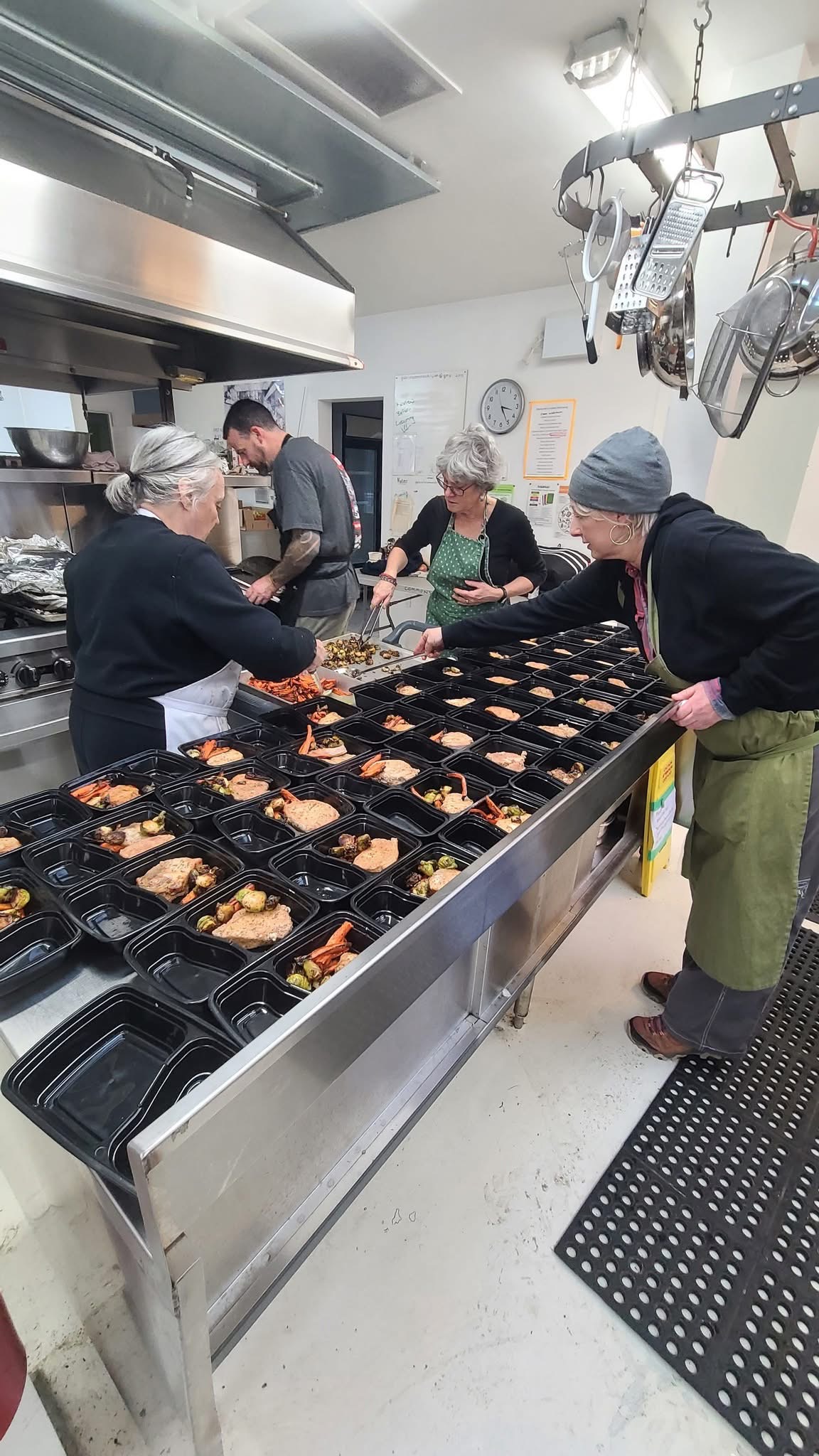
There’s no single solution to homelessness, but we can all play a part in making things better. Since moving to the island, every Thursday afternoon I volunteer with The Grub Huggers, a group that prepares meals for people needing food support. This simple act, fueled by community donations and a desire to help, embodies the principles of ethical intelligence. By providing a basic necessity like food, we’re not only preventing harm but also taking active steps to improve the lives of others.

Each act of kindness, no matter how small, creates a ripple effect. Whether it’s volunteering at a food bank, donating to a shelter, or simply treating someone experiencing homelessness with dignity and respect, we can all contribute to a more compassionate and just society. Let’s commit to doing our little bit, radiating kindness outward and creating a world where everyone feels valued and supported.

Namaste

What matters in the big picture of your life?

For several years, I provided ‘homelessness training 101’ to first responders. Every week, I’d meet with a group and we’d talk about homelessness and their experiences working with the city’s most vulnerable. Often, they would express their frustration with having to deal with the same people again and again. About how few resources they had to do anything productive for an individual on the streets other than to ticket them or be their ‘taxi driver’ to get them from where they were to one of the shelters that provided care for those under the influence of drugs or alcohol.

Mostly they told me they wanted to make a difference. They wanted to impact lives in positive and supportive ways. They felt not being able to change the life of an individual experiencing homelessness was a failure. That they weren’t doing enough.

At the frontline, facing the same people in crisis day after day, they couldn’t see they were part of a bigger picture. That they were doing their part, giving their best in that moment. They couldn’t see that their interactions with an individual in that moment, did make a difference.

Often I would ask them, “What if in being kind and compassionate, you left an imprint that perhaps not today, but maybe tomorrow or another time, said to that person, maybe there is another way?”

“What if in treating them with dignity in that moment, you gave them the thing they needed most but that they believed they deserved least?”

“What if you don’t have the answers for their life but you do have the capacity to make a difference in that moment? Would that be enough?”

Like many of us, accepting that we can’t ‘fix what is broken’ is hard. We want to help people. We want to make it right. In our frustration, we judge ourselves as not doing enough.

Sometimes, all we have are our words of support and kind acts. All we have is being ourselves, turning up without judgement and being present to someone else’s pain, confusion, fear, hurt, brokenness.

Like many of us, the first responders I met with developed coping skills to mask their frustrations and to protect their hearts. They made up stories to explain what could not be understood. How homelessness was awash in people willingly breaking laws. They were all criminals. How those experiencing it were lazy. Somehow less worthy of help than those who were at least trying to get sober or to find a job or get their lives back on track.

We all do it. We encounter a situation or person that just doesn’t make sense to us. No matter what we do or say, we can’t ‘get through’ and end up walking away, often muttering to ourselves or complaining to others about that person’s behaviour. In our frustration we make them ‘the other’ and separate ourselves to keep from acknowledging the fear that perhaps there are no ‘others’. We’re all just different aspects of our shared human condition.

I happened to run into someone who was in my course awhile ago.

We talked and laughed about our ‘different perspectives’ when first we met.

I’ve come a long way, they told me. I don’t see every homeless person as criminal anymore. I see them as human beings who have faced such incredible hardships, they don’t know who they are anymore and can’t find themselves without some help.

They told me how now they take the time to talk to those they meet on the street. How they listen to their story and do their best not to judge.

You helped me get there, they said.

I was one piece of a bigger picture, I replied.

We are all one piece of the bigger picture of life in our communities.

May each of us walk with compassionate hearts and open minds to hear the stories of everyone we meet so that in our meeting, they are left with the awareness that their story matters enough to be heard. In our hearing and seeing them, may they know they matter in the big picture of our lives.

Namaste.