
My Catholic roots are deeply intertwined with the tapestry of my childhood. Though I do not weave them through the warp and weft of my life today, they have always served as a solid foundation, enabling me to navigate life with a sense of peace, security, and boundless freedom.
I vividly recall the Friday evening Rosaries. The rhythmic clicking of the beads as they slipped through my mother’s fingers echoed the cadence of her whispered prayers. With each Hail Mary, I would impatiently await the end, yearning to run outside and play with my sister.
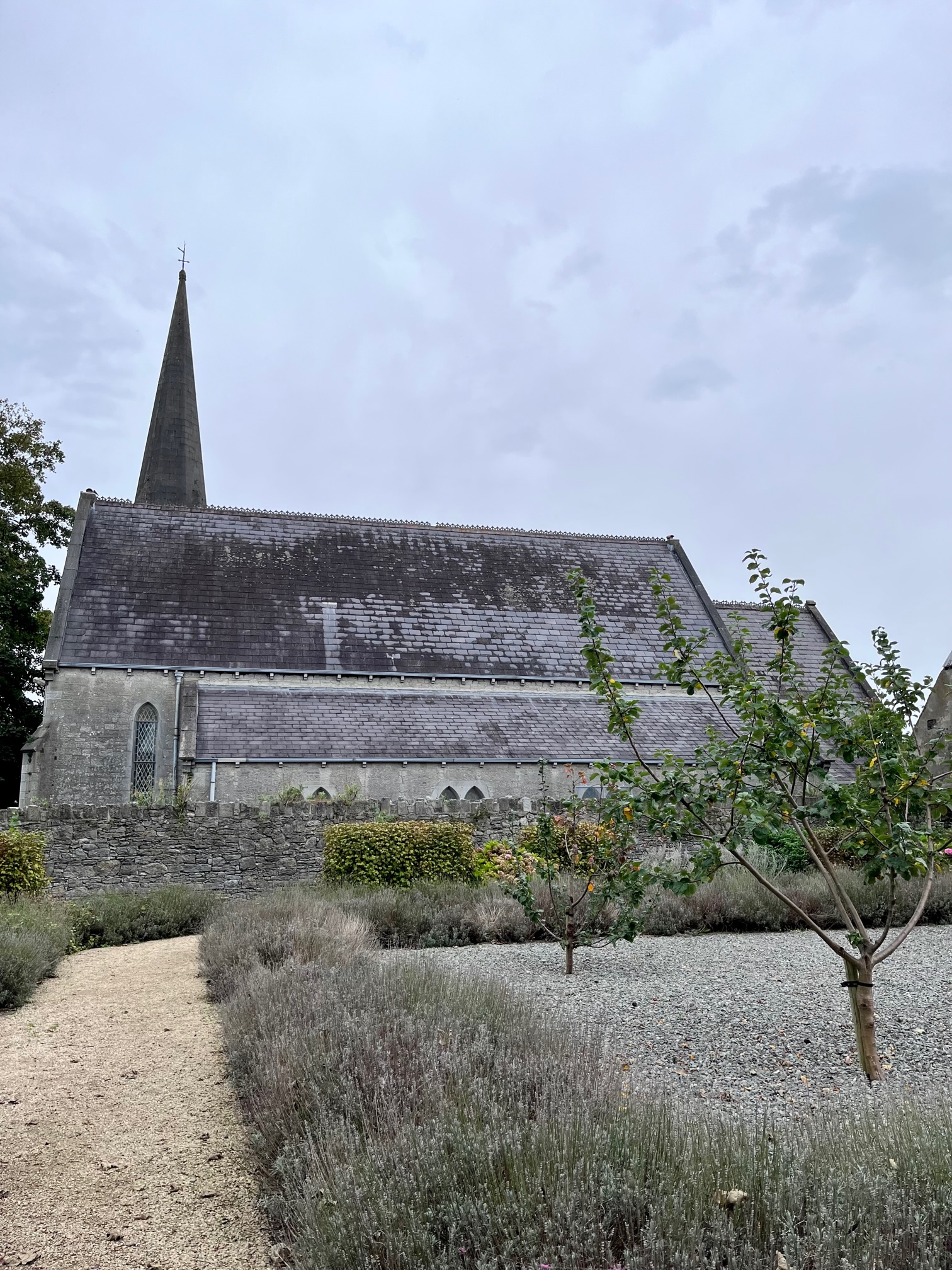
On Saturday afternoons, the serene ambiance of the church would embrace us as my sister and I assisted our mother with the flowers for the altar, ensuring their freshness for Sunday mass. While my sister had the honor of carrying the week-old vases, I was delegated the task of sorting. Perhaps my mother had her reasons to doubt my dexterity (or perhaps lack of attention) when carrying breakable objects.
These memories have left an indelible mark. Even today, discarding withered flower arrangements, as I had to do when I returned from my trip, feels almost sacrilegious. The wilted petals and stagnant water resonate with silent prayers, pleading to be left undisturbed.
In my child’s memory, Sunday morning masses were full of chaos and confusion. The whirlwind of preparing four children, adorned in their Sunday best with my mother always winning out on what I was to wear, contrasted sharply with the solemnity of the mass. But Easter Sunday was special. It wasn’t the prolonged service that captivated me but the excited of a new Sunday hat and dress, my shiny patent leather shoes, and delicate lace gloves.
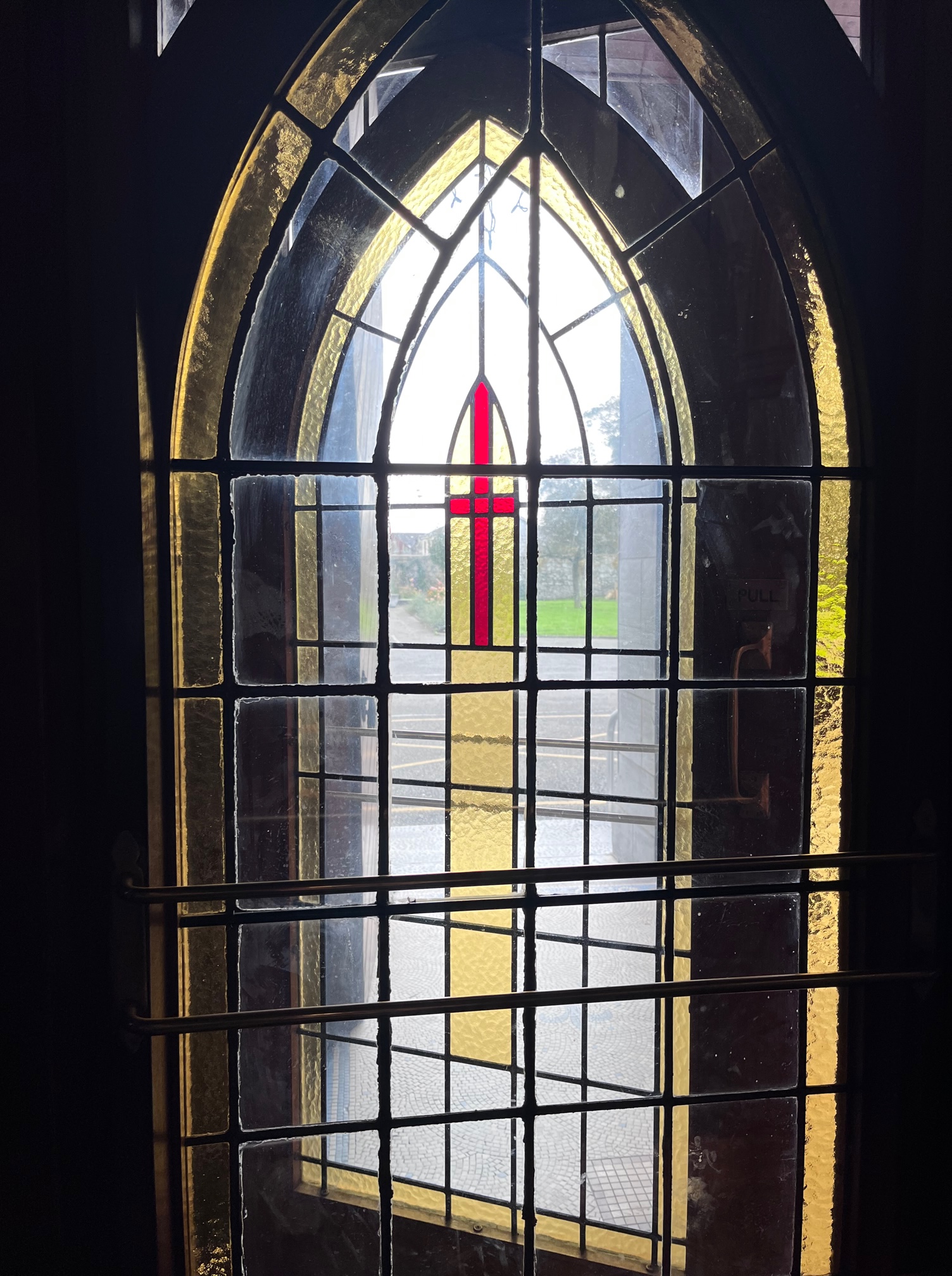
The church’s aesthetics enthralled me. From the priest’s ornate gold rimmed robes to the grandeur of the statues, I would sit and stare until my mother poked me with a whispered, “Pay attention”. It is perhaps in the church where the seeds of my feminist nature were planted. Amidst all the allure, the gendered confines of the church stung. Why couldn’t girls, equally devout and capable, serve at the altar?” I would ask my mother, only to be hushed with a sharp retort to be quiet or stop asking questions.
My childhood was also marked by innocent transgressions and the subsequent confessions whispered into the darkness of a confessional booths screen behind which an unseen priest sat. I knew my litany of sins by hear and practiced them with my sister to ensure we didn’t sound exactly the same: bickering with my sister, disobeying my mother or father, and the unintentional swallowing of water before the mass in the days when eating or drinking anything before consuming the holy wafer was a big no-no.
Post-mass Sundays had their rituals too. Breakfast awaited, and my father’s culinary feats were nothing short of legendary. Invitations to join were frequent, and few could resist.

My recent journey to Ireland rekindled these poignant memories. The landscape is dotted with majestic cathedrals and humble churches, their spires reaching towards the heavens, silent witnesses to centuries of devout worship. It’s impossible not to feel the profound depth of Catholic faith imbued in the very heart of the Irish people. The ubiquity of crucifixes, gracing everything from homes to local stores, speaks volumes of a culture where the sacred and the secular seamlessly converge.
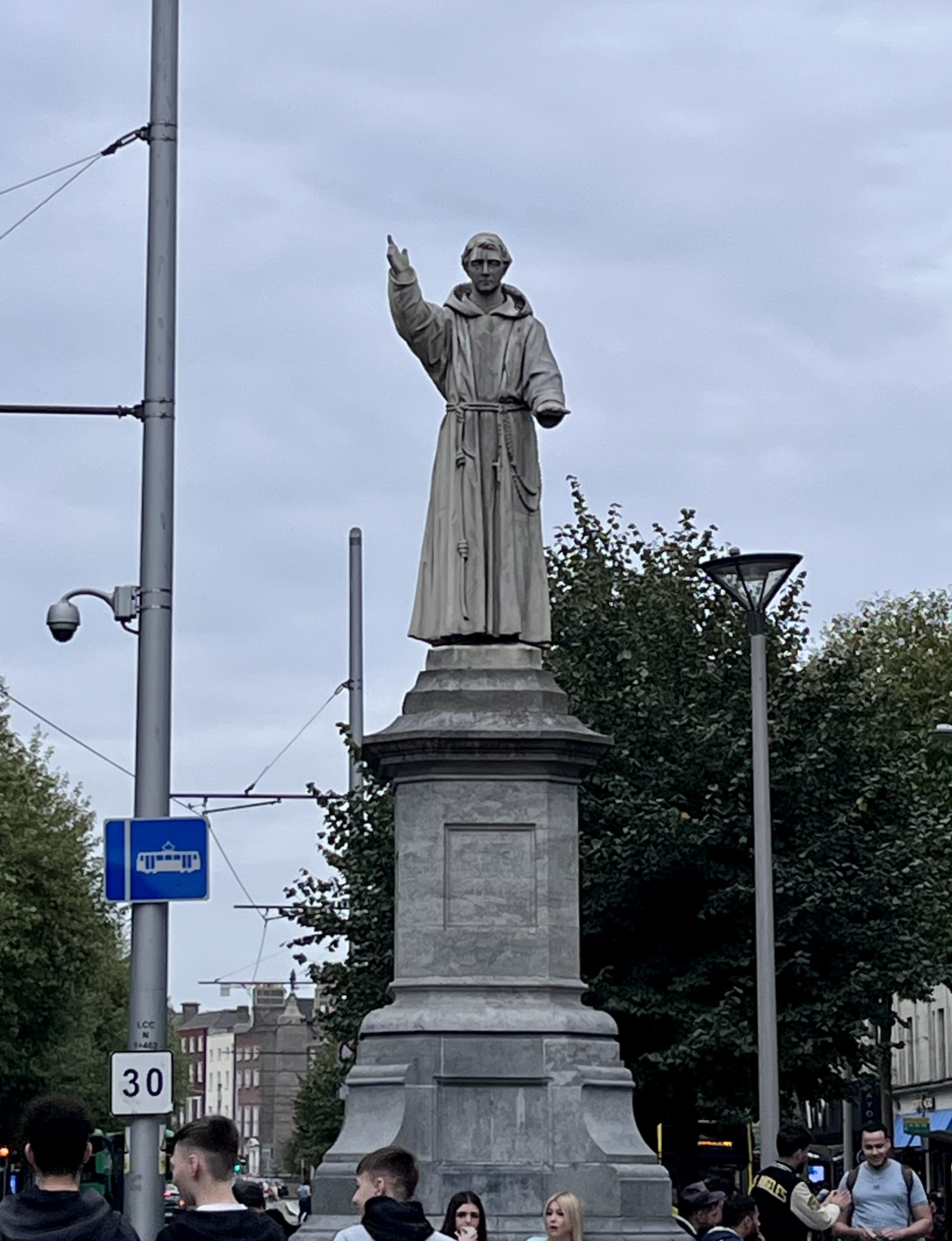
In this nation, where belief threads through every aspect of life, I found echoes of my past. The sanctity I witnessed in Ireland, in the daily lives of its people, reflected my own childhood filled with the mysticism of faith and the embrace of family.
These reminiscences emphasize the profound influence of my roots. Although I’ve distanced myself from the strict religious practices of my youth, the spiritual foundation laid during those years keeps me grounded. I firmly believe that life, with all its mysteries, wonders, and challenges, is divinely orchestrated. It’s a gift to be treasured, a journey to be celebrated with joy and love, no matter your spiritual beliefs or credo.
 Dare Boldly